Results
60%
more kiosks per container
26%
Reduction
in container usage
$4
Million
annual savings
Context
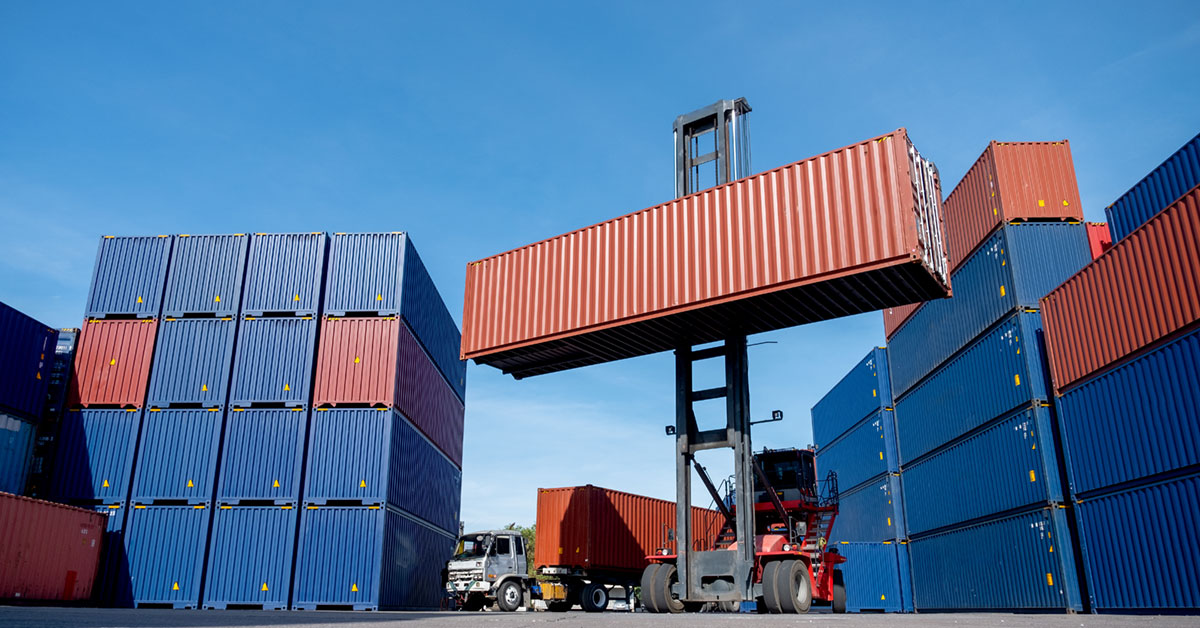
For one of India’s leading digital kiosk manufacturers, every shipment was an invisible tax. Container costs were rising, but no one questioned the air that was occupying the shipment. Each container carried only 16 kiosks—half-empty, fully billed.
Challenge
Despite operational excellence on the shop floor, logistics remained a blind spot. The existing 2-way pallet design and loading pattern created dead space that quietly drained millions in freight spend. The team had normalized it as “standard packing.”
Objective
To break the pattern—literally. The goal: fit more kiosks per container without compromising stability, compliance, or product safety.
The SUPERPACKS Intervention
SUPERPACKS didn’t start with “packaging.”
We started with geometry.
By re-engineering both the pallet dimensions and the loading orientation per SKU and validating each through structural simulations and on-ground stress tests, we rebuilt the logic of loadability from the ground up.
Every square inch of container volume became accountable. Every pallet, a data-driven asset.
Results That Speak in Freight Bills
- 60% more kiosks per container
- 26% reduction in container usage
- USD 4 million annual savings
That’s not just logistics optimization—it’s design intelligence applied to movement.
If you’re still shipping unoptimized, you’re not just wasting space. You’re leaking margin.
Discover how SUPERPACKS engineers profit from volume.